Ash Born
Dark 2D metroidvania — in development
Godot 4Pixel art · 640×360Soulslike combatGameplay reel 0:38
 In development
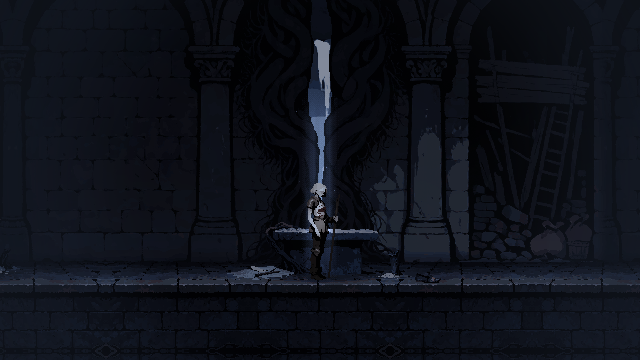
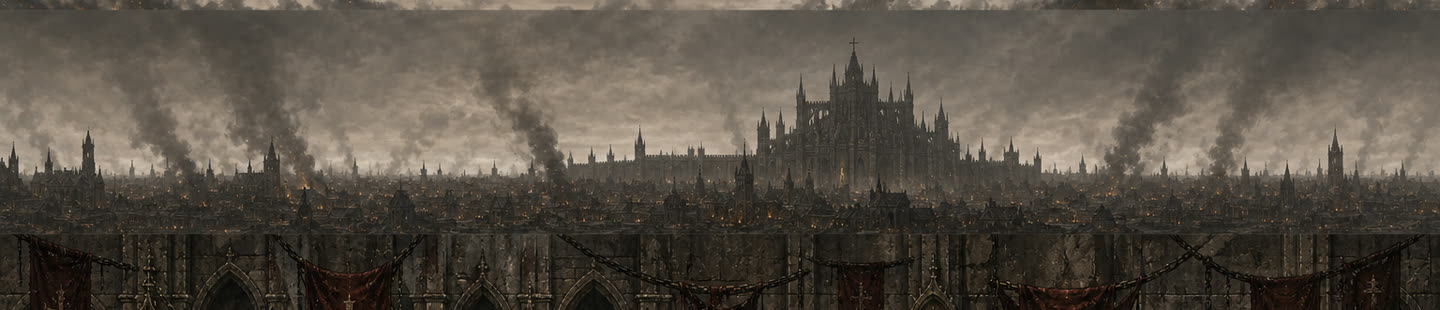
Rouen, 1531. A hundred years after the fire, Joan of Arc opens her eyes on a stone altar.
They burned her on 30 May 1431, then divided what was left into relics. Each relic works a miracle, and every miracle has a price. Joan wants her body back.
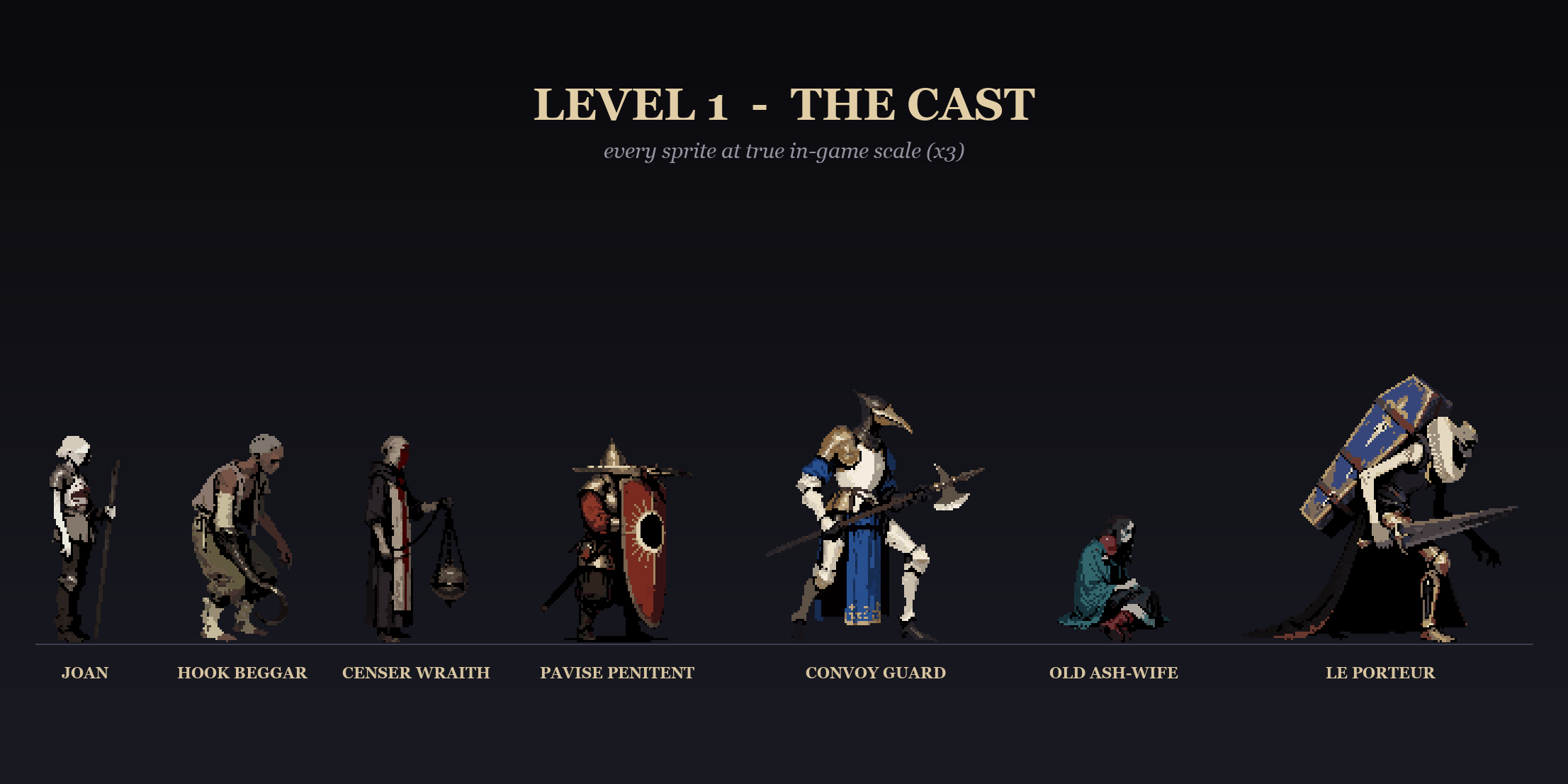
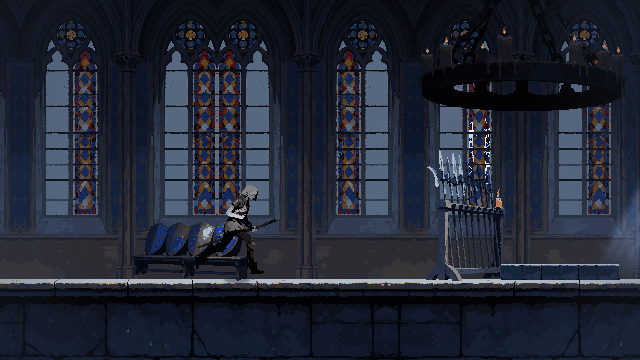
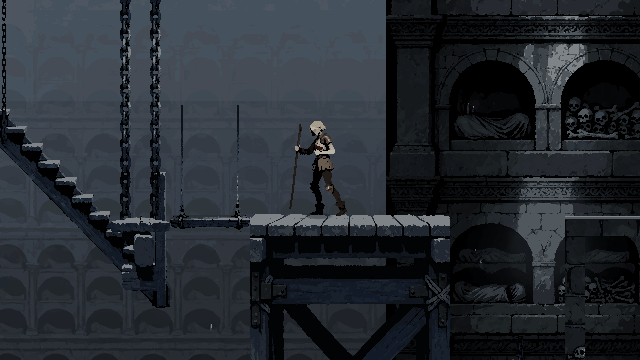
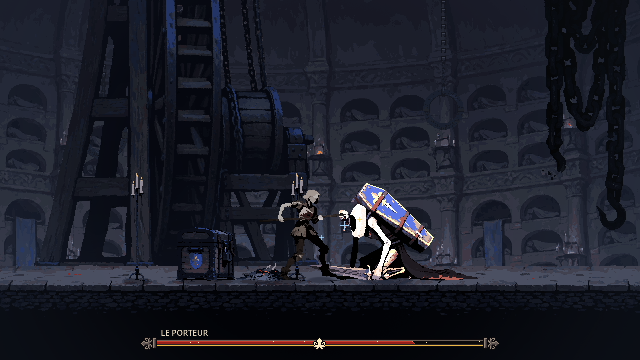
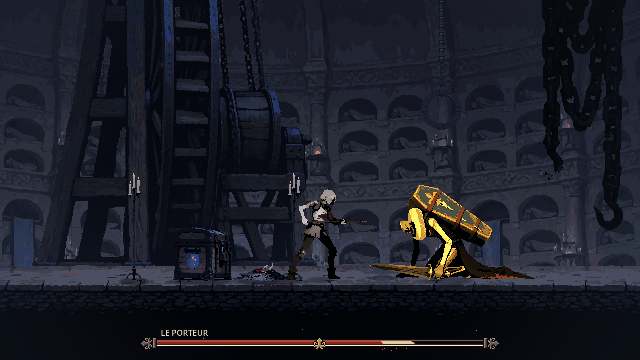
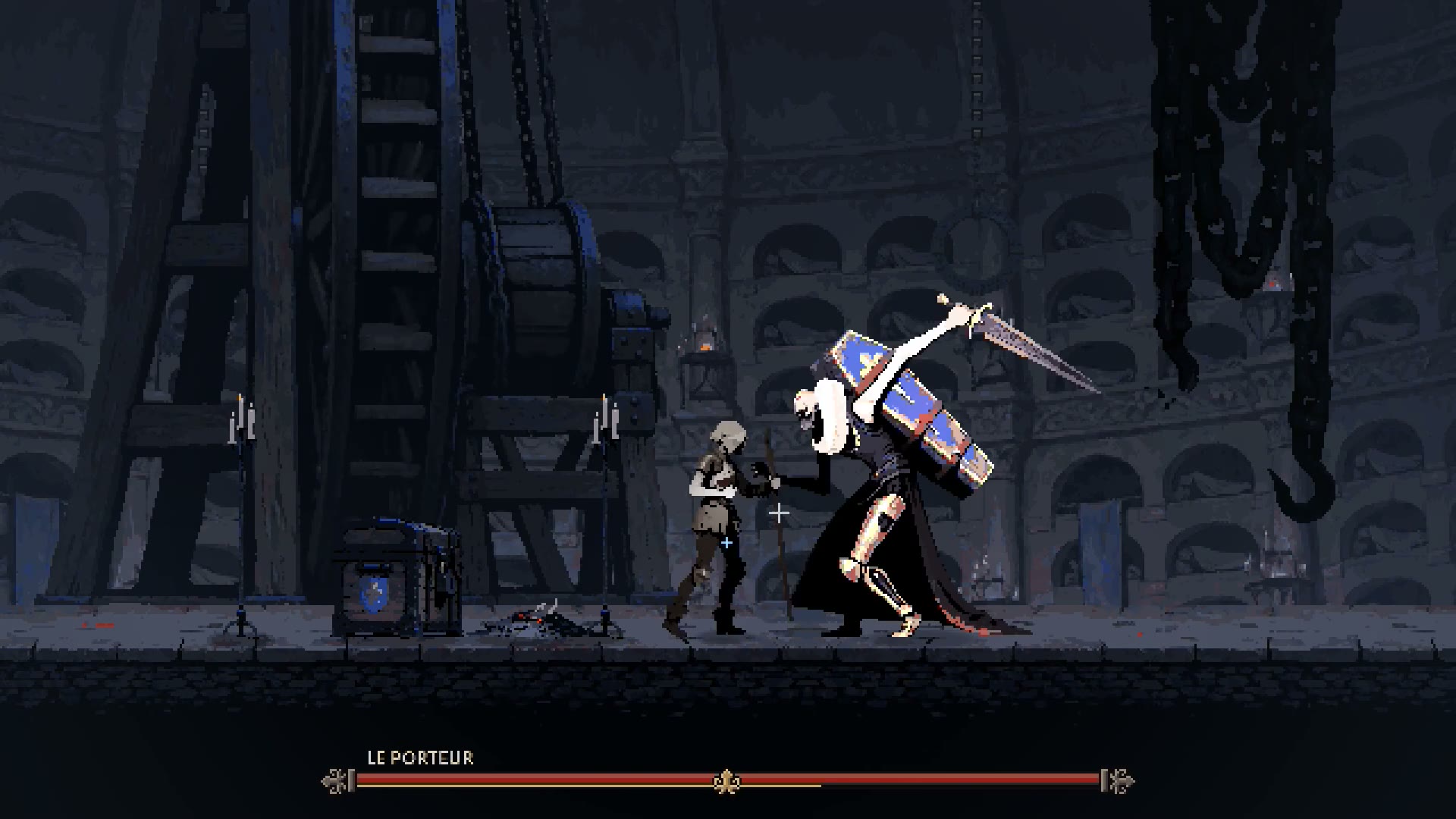
Everything in the reel is captured from the game’s own renderer at its native 640×360, not from mockups: the awakening, a hall of stained glass, a four-screen drop down the Bone Shaft, a Censer Wraith, and the first boss, Le Porteur.
- Status
- In development — first level and boss in place
- Engine
- Godot 4, MetSys world map
- Genre
- Metroidvania · soulslike melee · dark fantasy
- My part
- AI pipelines for characters, animation and backgrounds